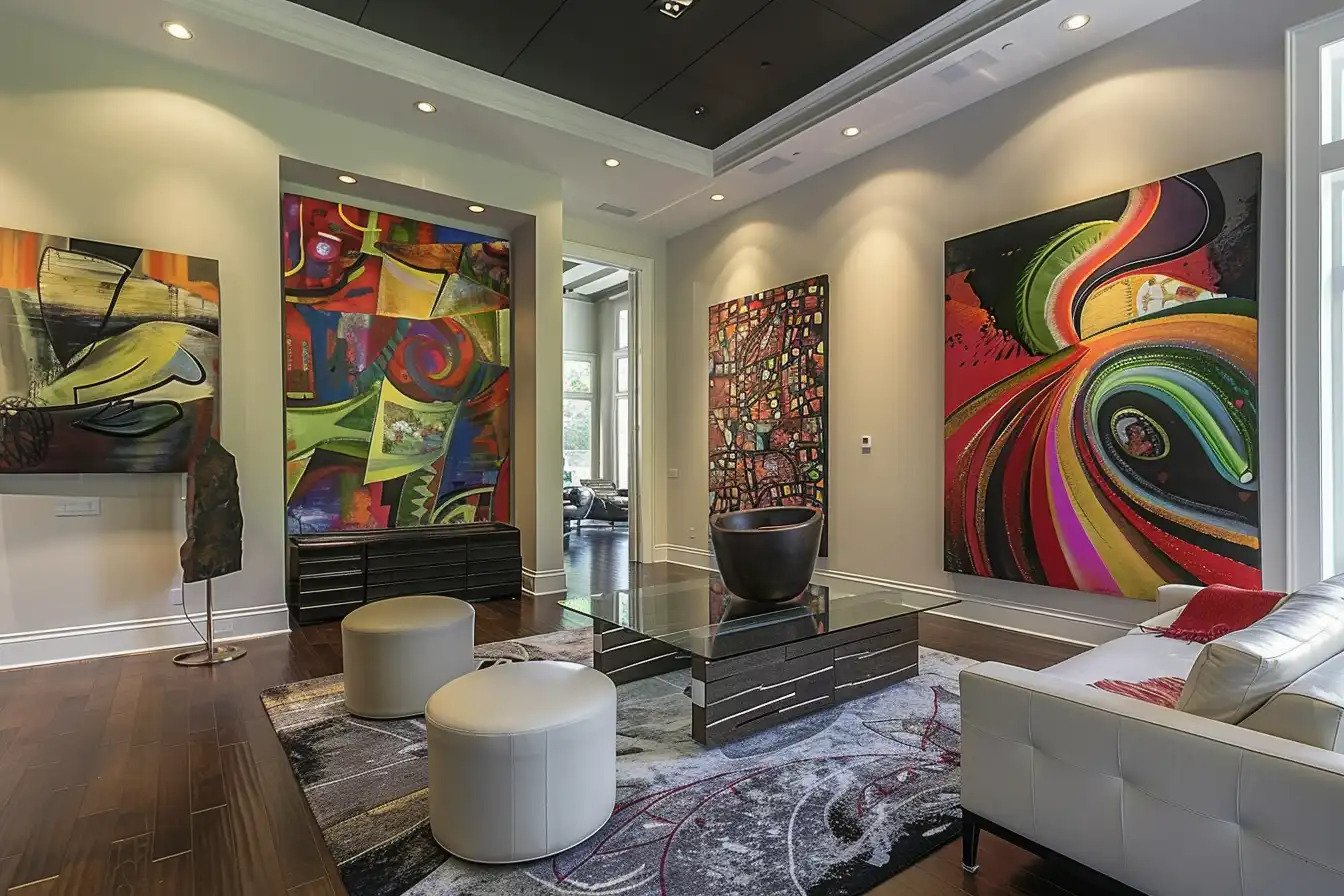
Interior painting is often mistakenly categorized as a simple decorative update, a weekend project defined by color swatches and brush strokes. In reality, it is a profound investment in your environment, a strategic undertaking that influences mood, perception, and the very functionality of a space. When executed with precision and insight, it transcends mere aesthetics to become a foundational element of design. For those seeking this level of transformative results, partnering with seasoned professionals like Carr Lang’s Painting can ensure that every layer serves a purpose, culminating in a finish that is as durable as it is beautiful.
The Psychology of Color: More Than Meets the Eye
Before a single can is opened, the most critical decision lies in color selection. This choice extends far beyond personal preference; it is an exercise in environmental psychology.
- Setting the Emotional Tone: Colors possess an innate ability to evoke emotional responses. Warm hues like terracotta, deep gold, and creamy whites foster feelings of comfort and sociability, making them ideal for living rooms and dining areas. Cool tones such as sage green, soft gray-blue, and lavender promote calm and concentration, perfectly suited for home offices, bedrooms, and libraries.
- Manipulating Spatial Perception: Strategic color use can alter the perceived dimensions of a room. Light, reflective colors can make a small space feel airy and expansive, while dark, matte finishes can bring intimacy and coziness to an overly large or cavernous area. Ceilings painted a shade lighter than the walls can appear higher, directing the eye upward.
Preparation: The Unseen Foundation of Excellence
The longevity and flawless appearance of any paint job are determined long before the ideal color is applied. Professional results are built upon meticulous preparation, a stage that amateurs often fatally underestimate.
- Surface Assessment and Repair: Walls are scrutinized for imperfections—hairline cracks, nail holes, and uneven textures. These are meticulously filled, sanded, and smoothed. Failure to address these flaws guarantees they will be highlighted, not hidden, by a new coat of paint.
- The Critical Role of Priming: Priming is not an optional step. It creates a uniform, adhesive surface for the topcoat, ensuring true color representation and enhanced durability. On new drywall, it seals the porous surface. When covering dark colors or stains, a tinted primer is essential for optimal coverage and color fidelity. This step is what separates a professional-grade finish from an amateur one.
Execution: Where Technique Meets Technology
The application process is where planning and preparation converge. Modern painting leverages both timeless techniques and advanced materials to achieve perfection.
- The Art of Cutting-In: The clean, sharp lines where walls meet ceilings, trim, and corners are achieved through skilled “cutting-in.” This technique, using a high-quality angled brush, requires a steady hand and patience. It defines the professionalism of the job, creating crisp transitions that painter’s tape alone cannot reliably replicate.
- Roller Selection and Application: Not all rollers are created equal. Nap length must correspond to wall texture—shorter naps for smooth surfaces, longer naps for textured plaster or stucco. The “W” technique for rolling ensures even distribution and avoids lap marks, creating a uniform, streak-free surface.
- The Advantage of Advanced Materials: Today’s paint formulations offer revolutionary benefits. Low-VOC and zero-VOC options improve indoor air quality during and after the project. Advancements in finish technology provide scrubbable mattes that combine a rich, velvety look with remarkable durability, and mold-resistant formulas are essential for moisture-prone areas like bathrooms and kitchens.
Finishing Touches: Protecting Your Investment
A project is not complete once the walls are dry. The final stage ensures the beauty and integrity of the work for years to come.
- Proper Curing and Ventilation: Paint dries to the touch quickly but requires days to fully cure. During this period, careful ventilation and avoiding contact with the surface are crucial to achieving maximum hardness and washability.
- Intentional Touch-Up Kit: A small, properly stored portion of the final paint mix should be retained for future minor touch-ups. Stored in a sealed glass jar (not a plastic touch-up pot, which can allow water evaporation and color shift), this ensures invisible repairs down the line.
Conclusion: A Transformation of Space and Sensibility
Ultimately, professional interior painting is an integrative discipline. It demands an understanding of color theory, a respect for meticulous process, and skilled execution. It is about creating harmony between light, space, and human experience. The result is not just a freshly painted room, but a revitalized environment—one that reflects personal style, enhances daily living, and adds tangible value to a property. For a comprehensive guide to transforming your home with this level of intentionality and expertise, explore the resources and service philosophy at langspainting.com.