Cheese straws are one of those timeless snacks that manage to feel both comforting and elegant at the same time. Crisp, buttery, and packed with rich cheese flavor, they are enjoyed as appetizers, party snacks, tea-time treats, or even as gourmet accompaniments to soups and salads. Though simple in appearance, cheese straws carry a long culinary tradition and offer endless possibilities for variation.
This article explores everything you need to know about cheese straws, from their origins and ingredients to preparation methods, variations, and serving ideas.
What Are Cheese Straws?
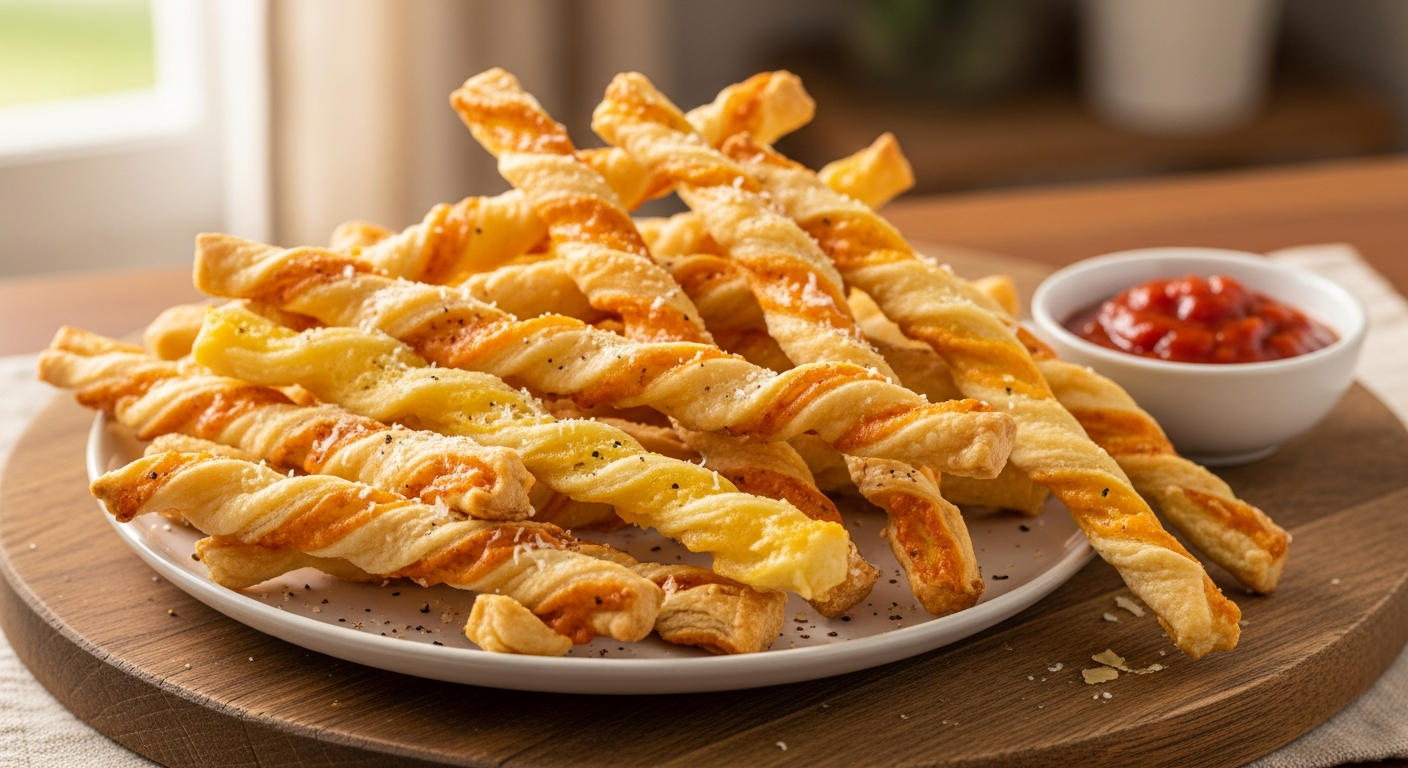
Cheese straws are thin, crisp pastry snacks made primarily from flour, butter, and cheese. The dough is rolled or shaped into narrow strips and baked until golden and crunchy. The defining feature of cheese straws is their intense cheese flavor combined with a light, flaky texture.
They are often seasoned with spices such as cayenne pepper, paprika, or black pepper, which adds warmth and depth to the taste. Cheese straws can be homemade or store-bought and are popular in both casual and formal settings.
The History of Cheese Straws
The origins of cheese straws can be traced back to Europe, particularly France and England, where cheese-based pastries have been part of traditional baking for centuries. In France, similar snacks evolved from puff pastry techniques, while in England, cheese biscuits became common accompaniments to tea.
Cheese straws later became especially popular in the southern United States, where they are a staple at social gatherings, holidays, and family events. Southern-style cheese straws are known for their bold cheese flavor, often made with sharp cheddar and a hint of spice.
Key Ingredients Used in Cheese Straws
The beauty of cheese straws lies in their simplicity. While recipes may vary, most cheese straws rely on a few core ingredients that work together to create their signature taste and texture.
Flour provides structure and stability, allowing the straws to hold their shape. Butter adds richness and contributes to the crisp, flaky texture. Cheese is the star ingredient, with sharp cheddar being the most common choice due to its strong flavor. Seasonings such as salt, pepper, cayenne, mustard powder, or paprika enhance the overall taste. Some recipes also include eggs or milk to bind the dough.
The quality of ingredients plays a major role in the final result, especially the cheese, which should be flavorful and well-aged for the best outcome.
Types of Cheese Straws
Classic Cheddar Cheese Straws
These are the most traditional and widely recognized version. Made with sharp cheddar cheese, they offer a bold, tangy flavor and a satisfying crunch.
Parmesan Cheese Straws
Parmesan cheese straws are lighter and more delicate, with a nutty, savory taste. They pair especially well with soups and salads.
Spicy Cheese Straws
This variation includes spices such as cayenne pepper, chili powder, or hot paprika. Spicy cheese straws are perfect for those who enjoy a bit of heat in their snacks.
Herb-Infused Cheese Straws
Fresh or dried herbs like rosemary, thyme, or oregano can be added to the dough to create aromatic and flavorful cheese straws.
Puff Pastry Cheese Straws
Instead of traditional dough, puff pastry is used to create extra-light, flaky cheese straws. These are often twisted and baked until crisp.
How Cheese Straws Are Made
Cheese straws are relatively easy to prepare, making them a favorite for home bakers. The process typically begins by combining flour, butter, and grated cheese into a dough. Seasonings are mixed in to enhance flavor.
Once the dough is formed, it is rolled out and cut into thin strips or shaped using a piping bag or cookie press. The straws are then placed on a baking sheet and baked at a moderate temperature until golden brown and crisp.
Cooling is an important step, as cheese straws continue to firm up after baking, achieving their characteristic crunch.
Serving Suggestions for Cheese Straws
Cheese straws are incredibly versatile and can be served in many ways. They make excellent appetizers when paired with dips, spreads, or charcuterie boards. Cheese straws also work well as snack items at parties, weddings, and holiday gatherings.
They can be served alongside soups, especially tomato or vegetable soups, where their crisp texture provides a pleasant contrast. Cheese straws are also commonly enjoyed with tea, coffee, or wine, making them suitable for both casual and formal occasions.
Nutritional Value of Cheese Straws
Cheese straws are a rich and indulgent snack, providing calories mainly from fats and carbohydrates. The cheese contributes protein and calcium, while butter adds saturated fat.
Although cheese straws are not typically considered a health food, they can be enjoyed in moderation as part of a balanced diet. Homemade versions allow better control over ingredients, portion size, and seasoning levels.
Why Cheese Straws Remain Popular
The enduring popularity of cheese straws can be attributed to their simplicity, versatility, and rich flavor. They require minimal ingredients, are easy to prepare, and can be customized to suit different tastes.
Cheese straws also evoke a sense of nostalgia for many people, reminding them of family gatherings, holidays, and homemade treats. Their ability to fit into both traditional and modern menus ensures their continued appeal across generations.
Conclusion
Cheese straws are more than just a snack; they are a culinary classic with deep roots and universal appeal. From their crisp texture and bold cheese flavor to their versatility and ease of preparation, cheese straws have earned their place on tables around the world. Whether enjoyed as a party appetizer, a tea-time treat, or a savory accompaniment to meals, cheese straws continue to delight food lovers of all ages.
With endless variations and serving possibilities, cheese straws remain a timeless favorite that perfectly balances simplicity and indulgence.
Frequently Asked Questions (FAQs)
1. What cheese is best for making cheese straws?
Sharp cheddar is the most popular choice because of its strong flavor, but parmesan, gruyere, or a mix of cheeses can also be used.
2. Can cheese straws be made in advance?
Yes, cheese straws can be made ahead of time and stored in an airtight container for several days while retaining their crispness.
3. Are cheese straws the same as cheese biscuits?
No, cheese straws are thinner and crispier, while cheese biscuits are usually thicker and softer.
4. Can cheese straws be frozen?
Unbaked cheese straw dough can be frozen and baked later. Baked cheese straws can also be frozen, though they may lose some crispness when thawed.
5. Are cheese straws suitable for vegetarians?
Most cheese straws are vegetarian, but it’s important to check the type of cheese used, as some cheeses contain animal-based rennet.